The village of Fox-Amphoux
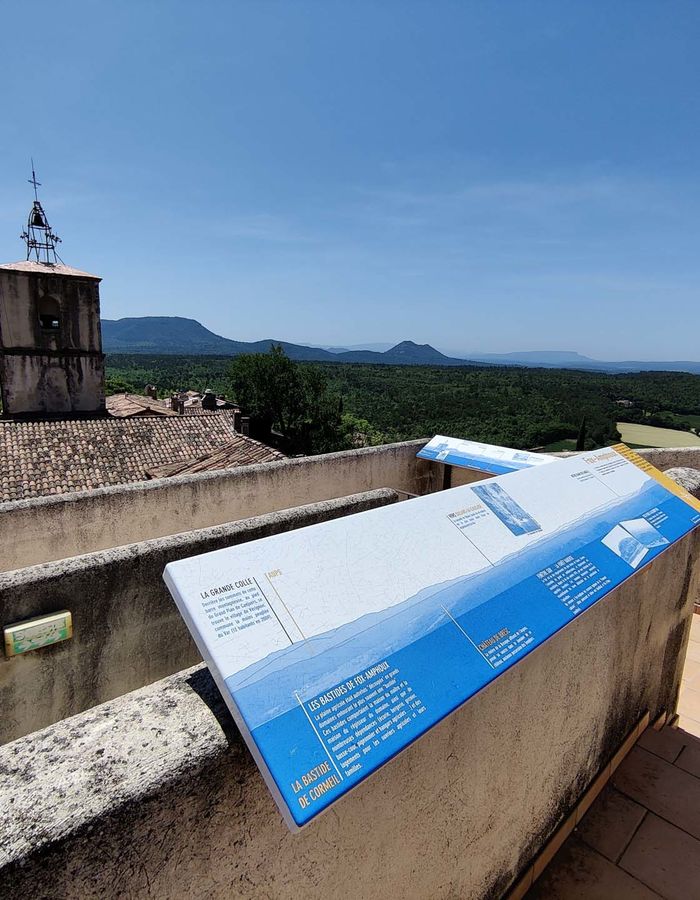
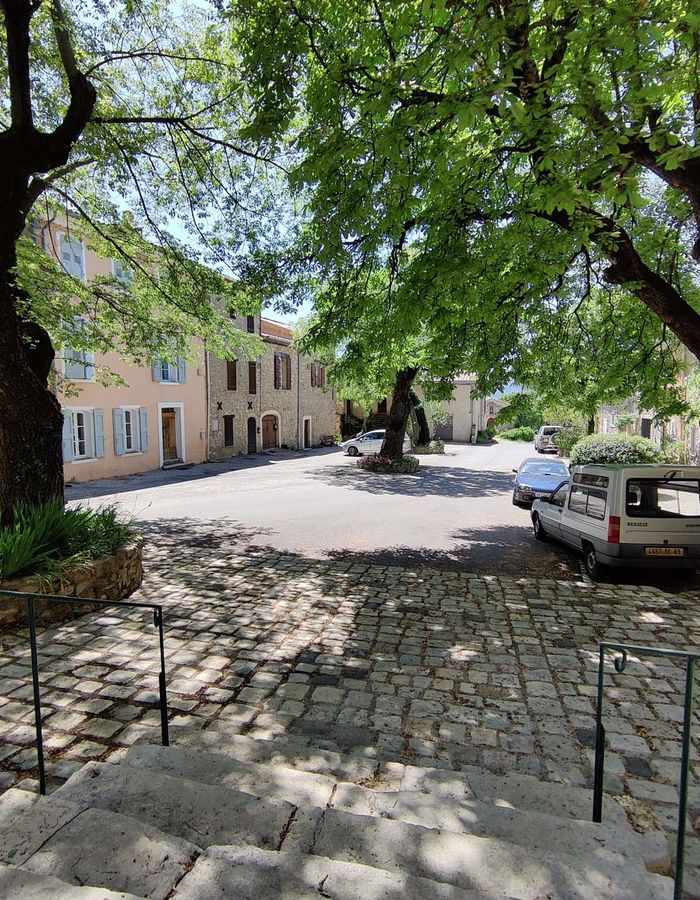
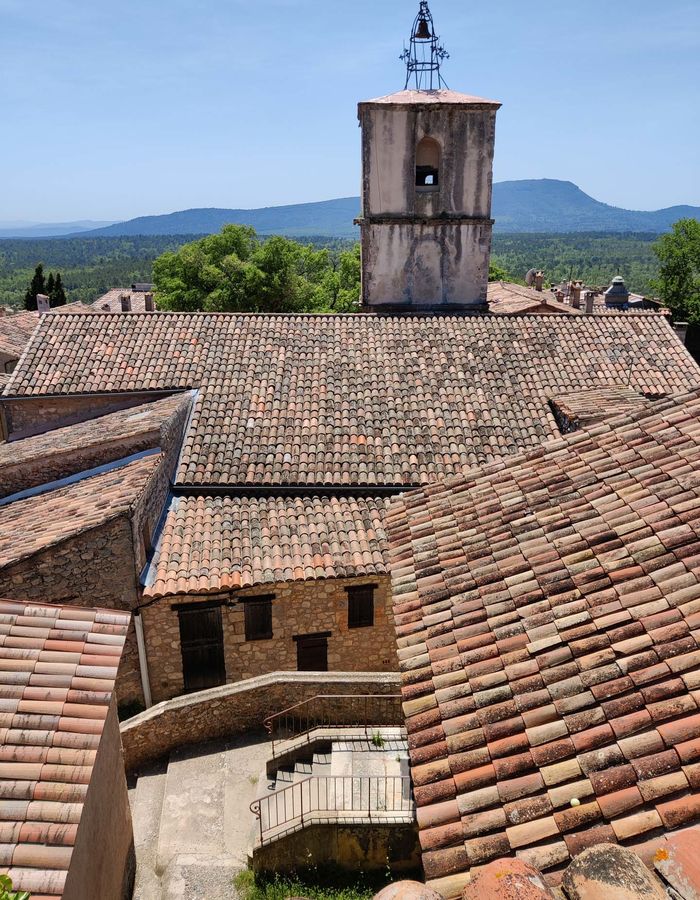
At the gateway to the Verdon, history has brought two villages together. Take a stroll through the narrow streets of the old hilltop village of Fox, explore the ruins of the Amphoux castrum, get a real taste of Provence and enjoy exceptional panoramic views of the surrounding hamlets and mountains.
Aux alentours
Where is the village of Fox-Amphoux?
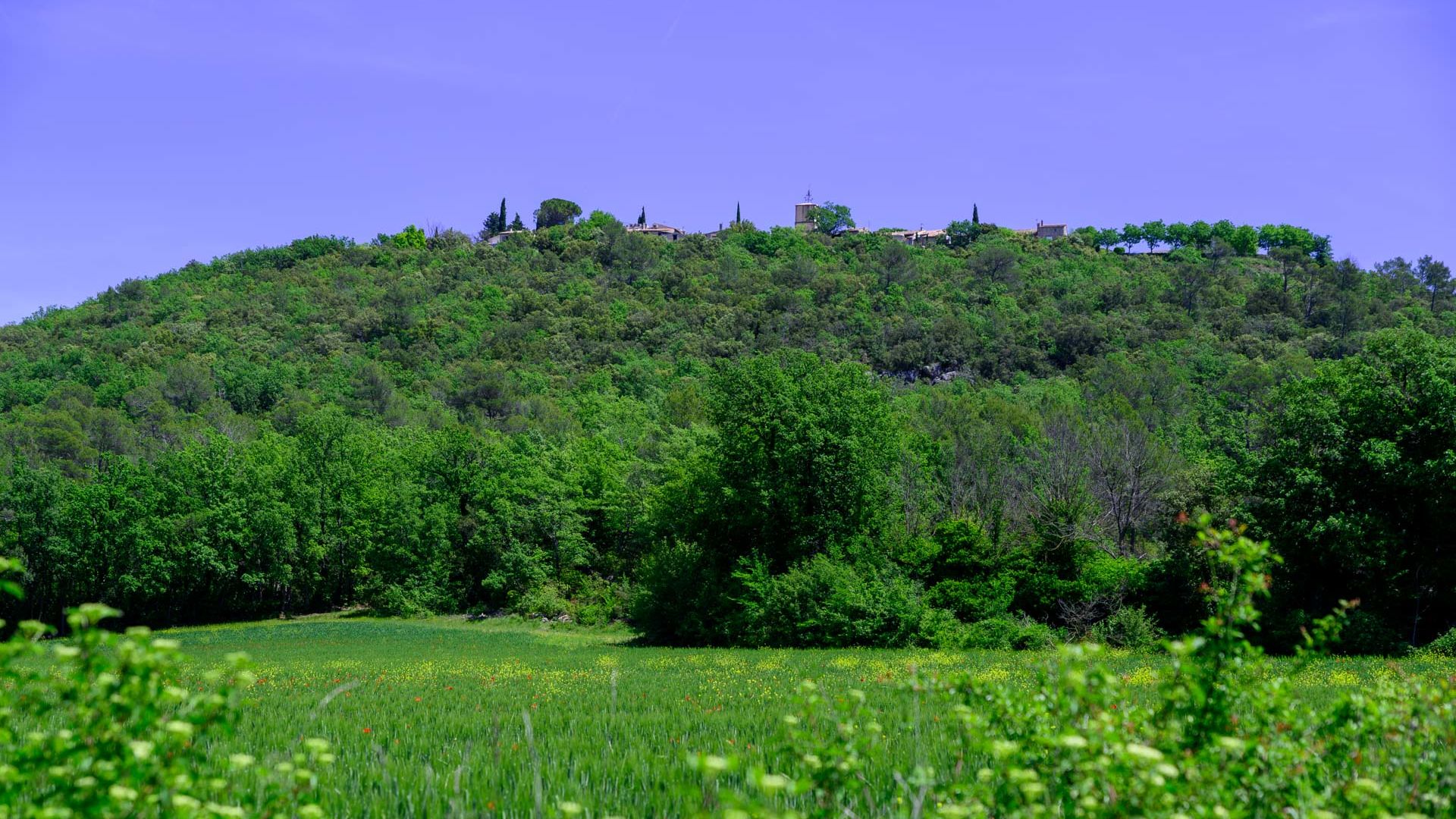
The village of Fox-Amphoux lies further south in the Var, a 30-minute drive from the campsite, Lake Sainte-Croix and 20 minutes from the Basses Gorges du Verdon at Quinson. In addition to its remarkable medieval heritage, the old castrum of Fox offers visitors an incredible panorama of the Var landscape.
A brief history of Fox-Amphoux
In the Middle Ages, two seigneuries and two castles shared the area of what is now the commune: the castrum of Fox at the top of the hill and the castrum of Amphoux at the foot of the hill. Soon in the hands of a single lord, Amphoux castle was abandoned in 1471 in favour of Fox, which was more visible and better protected. The ruins of Château d'Amphoux have now been restored and are used as an open-air theatre by the commune, which organises shows there during the summer season.
Fox-Amphoux is also the birthplace of one of the most illustrious figures in French history. Paul Barras was born in Fox-Amphoux in 1755. He was elected deputy for the Var at the National Convention during the French Revolution, and was instrumental in the death of Louis XVI. He was an active supporter of General Bonaparte and contributed to the fall of Robespierre in 1794. A member of the Directoire from 1795 to 1799, he had no further political role when the Empire came into being. Forced into exile in Brussels and then Rome in 1810, he was not allowed to return to Paris until the end of his life. Throughout this period, his mother and his wife lived at Fox-Amphoux in a building he had built for them, Château Barras, which is now privately owned.
What to do in Fox-Amphoux?
The heritage of Fox-Amphoux
The old village of Fox-Amphoux
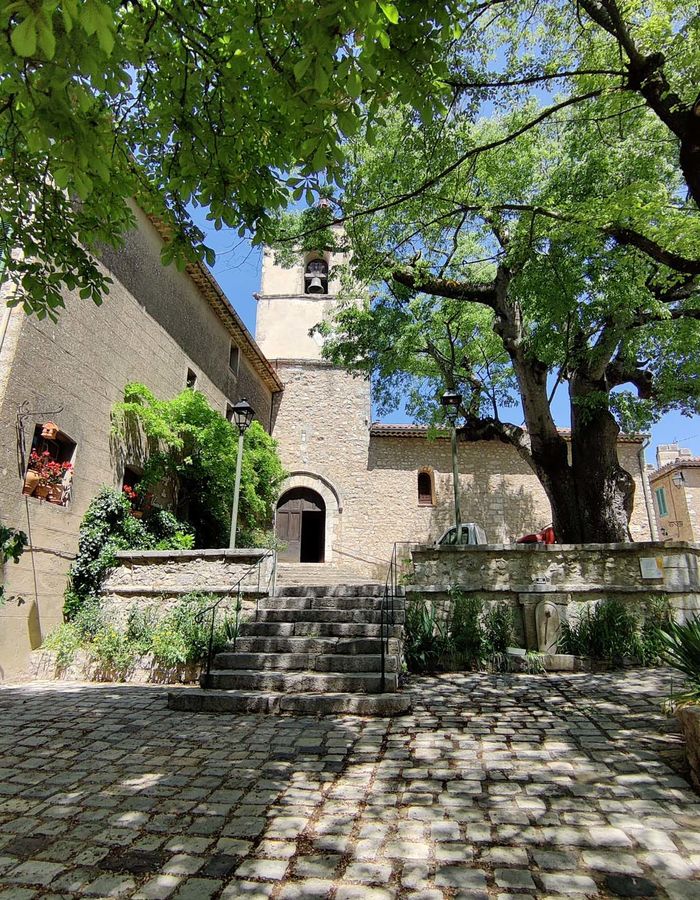
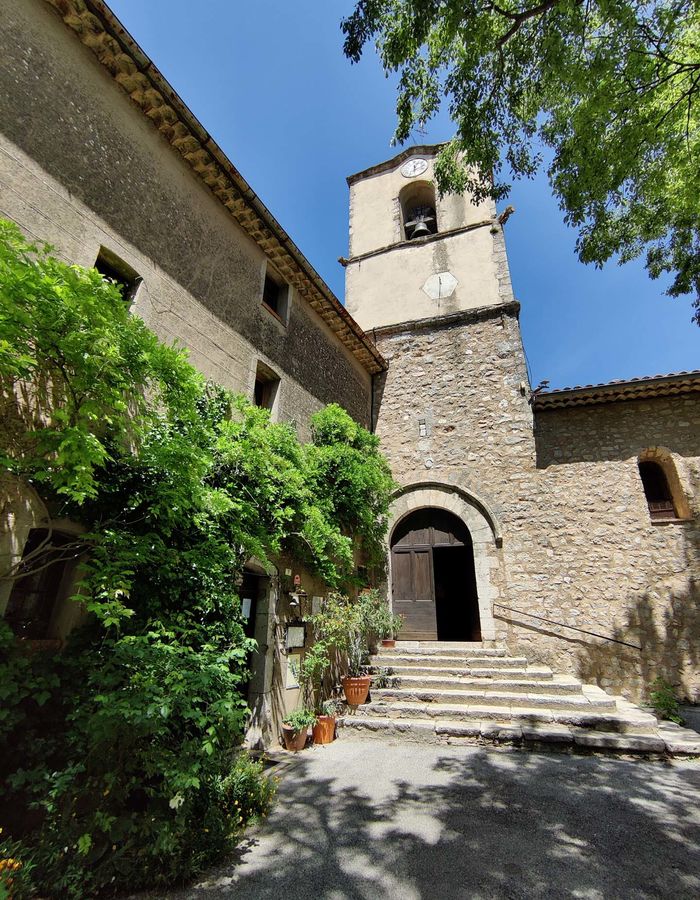
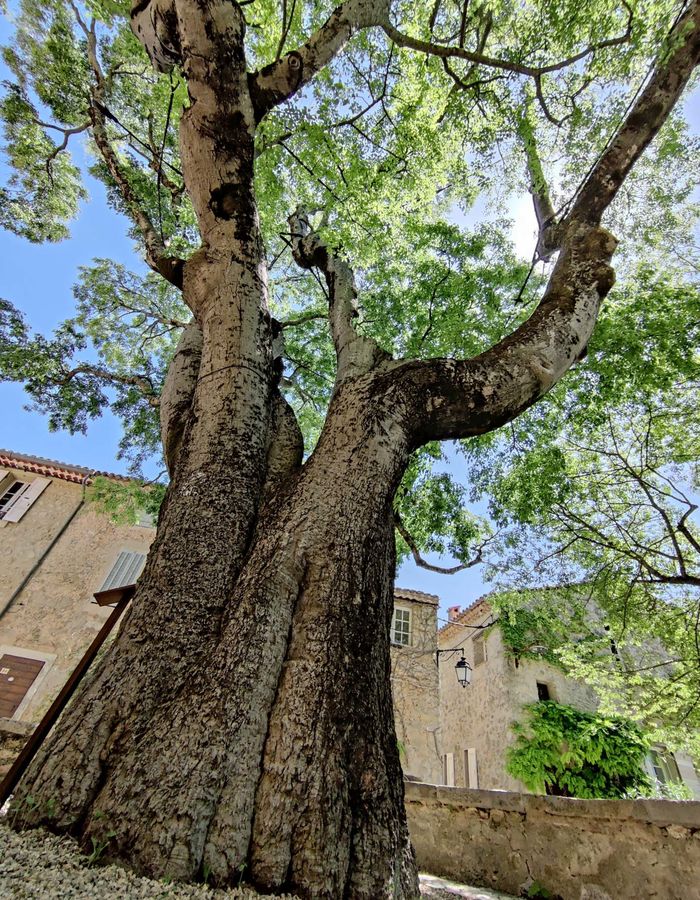
Fox-Amphoux is unusual in that it is split in two. The "new village" on the plain was created when the defensive aspect of the high position of the "old village" became unnecessary. Old Fox is an ancient medieval castrum perched 500 metres above sea level. The remains of the 12th-century ramparts and feudal castle, the 13th-century parish church of Notre-Dame-de-l'Assomption and the many chapels that have marked the lives of the people of Fox for centuries are all reminders of its long past. A hackberry tree, planted here almost 500 years ago, still stands proudly in the centre of the village.
The permanent exhibition on dinosaurs
Millions of years ago, Fox-Amphoux was a shallow submerged area. Over time, dead animals preserved for long periods in this clay soil fossilised. Today, Fox-Amphoux is home to an extraordinary deposit of dinosaur fossils, some of which can be seen in this permanent exhibition. It's a great opportunity to take your children to see real dinosaur bones.
Hiking in Fox-Amphoux
Fox-Amphoux forest
An easy 5-kilometre walk around the old village takes you past the chapel of St Ulphar, to which the villagers prayed for rain, and you'll understand why Fox became a favoured defensive position.
The "Treasure of the Little People" themed walk
To solve the riddle of the treasure of the table of secrets, set off on the "Treasure of the little people" trail, where themed panels will help you discover the special features of the Mediterranean forest. The family trail is around 4.5 kilometres long and has a vertical drop of 110 metres.