
The village of Cotignac
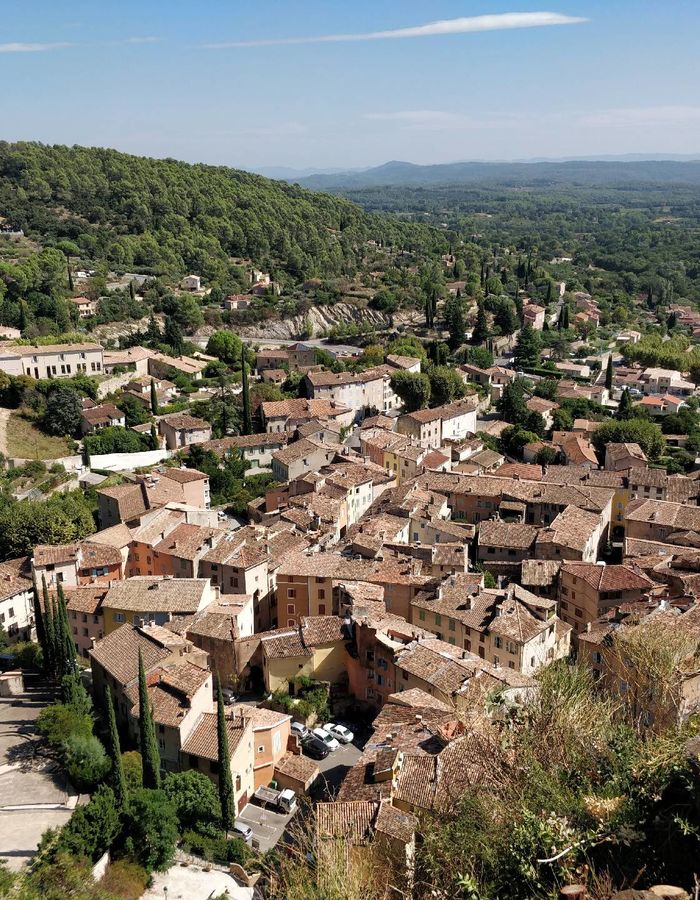
Cotignac is a very special village. Built at the foot of a wall of tufa rock dug out over centuries to serve as fortifications and as a quarry, the village of Cotignac offers its visitors a rich heritage and terroir to discover.
Aux alentours
Where is Cotignac?
The village of Cotignac is just 45 minutes from the campsite and Lake Sainte-Croix further south. After visiting the Gorges du Verdon, Cotignac is an excellent idea for a cultural outing. The village of Cotignac is one of those Provencal villages with a strong identity capable of appealing to adults and children alike. A visit to the troglodyte dwellings always makes an impression and stimulates children's overactive imaginations.
A brief history of the village of Cotignac
Like many of our older villages, Cotignac emerged from obscurity in the Middle Ages. The first traces of settlements dating from before the 11th century were discovered at a place called "Saint-Martin" at the top of the rocky outcrop. A hamlet still occupies the site. At the very beginning of the 11th century, the village settled at the foot of the tufa rock face and the first castle was built around 1032. It was at this time that the river, the Cassole, which until then had cascaded down this wall, was diverted.
Throughout the Middle Ages, the cliff was developed and fortified. As at Villecroze, the caves were used to store and preserve food. Occasionally, they were also used as shelters for the local population.
Cotignac is also marked by its religious past, as evidenced by two shrines: Notre-Dame-de-Grâce, built in 1519, and the Saint-Joseph monastery, whose first chapel was built in 1660. It is worth noting that "Brother Fiacre declares that on 27 October 1637, while he was praying, he had an inner revelation telling him that Queen Anne of Austria, whose marriage had been barren for 22 years, must have novenas said at the Basilica of Notre-Dame-des-Victoires, at Notre-Dame de Paris and at the Church of Notre-Dame-de-Grâces in Cotignac in order to have an heir to the throne. When Louis XIV was born less than a year later, the Queen saw this as a sign that her wish had been granted and went on pilgrimage to Cotignac with her son Louis XIV on 21 February 1660.
What to do in Cotignac
What to see in the village
The course and the shops
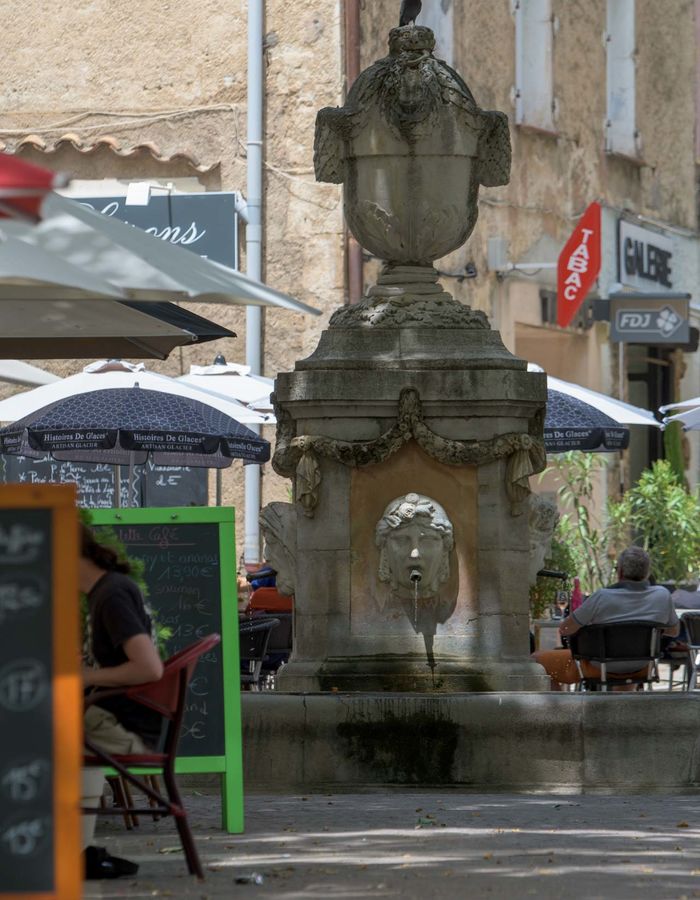
The Cours Gambetta is the heart of the village, with a host of restaurants and shops waiting to welcome you on a fine summer's day in the shade of the old plane trees.
The village
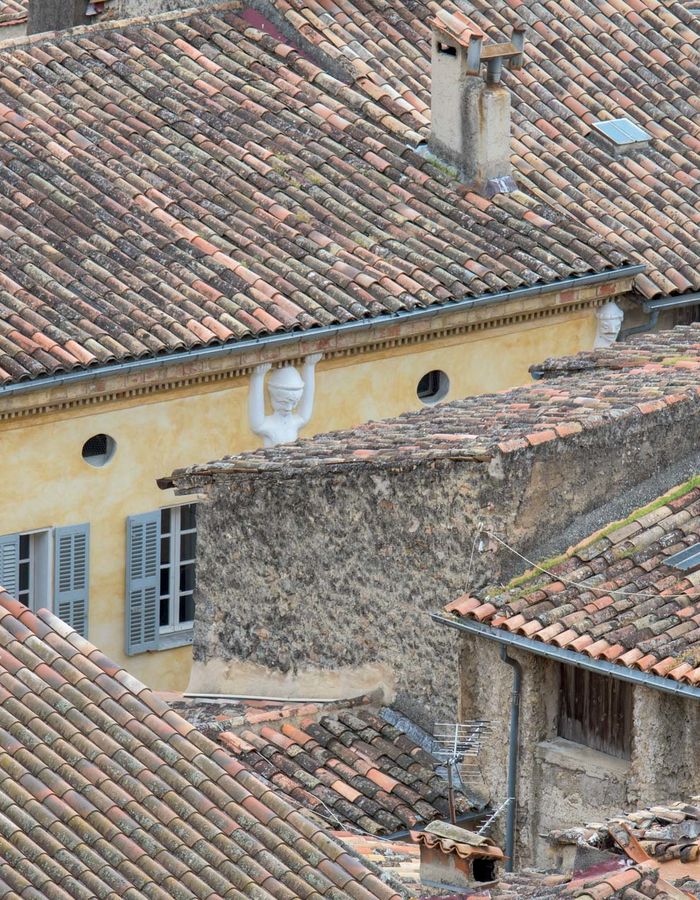
The tourist office provides visitors with an excellent map to guide them on their tour of the village.
Notre-Dame-de-Grâce
The sanctuary stands to the south-west of Cotignac on Mont Verdaille. Built in 1519 to celebrate the apparition of the Virgin Mary, it is written that "On 10 August 1519, the Blessed Virgin appeared to a man called Jean de la Beaume. She expressly ordered him to go and tell the local people to go in procession to this place and build a church there under the name of Notre-Dame-de-Grâces". The shrine still welcomes many pilgrims today.
Saint Joseph Monastery
Occupied by the Argentinian sisters of Mater Dei, the monastery is not open to the public. Only the chapel is open to the public during the day and during services. Weather permitting, the monastery remains a very interesting destination for a walk.
Natural sites
The chasm waterfall
At the bottom of the village, near the tourist office, take the "Vallon Gai" at the bridge and follow the Cassole. After a 10-minute easy walk, you'll arrive at the foot of the waterfall. The well-shaded path allows you to enjoy the coolness of the river in summer. The walk is a round trip and swimming is prohibited.
Rocks and troglodyte caves
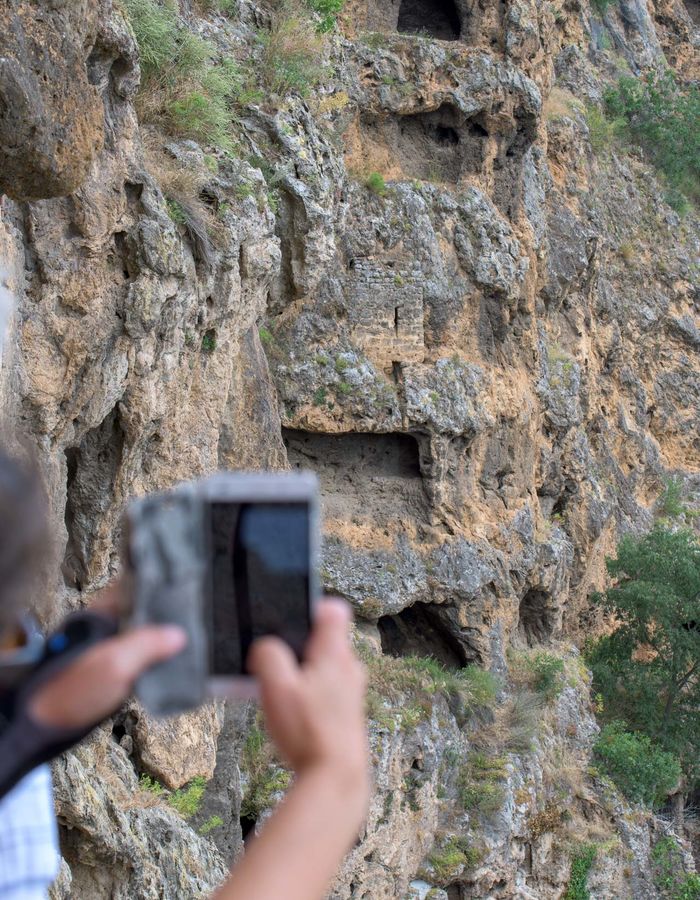
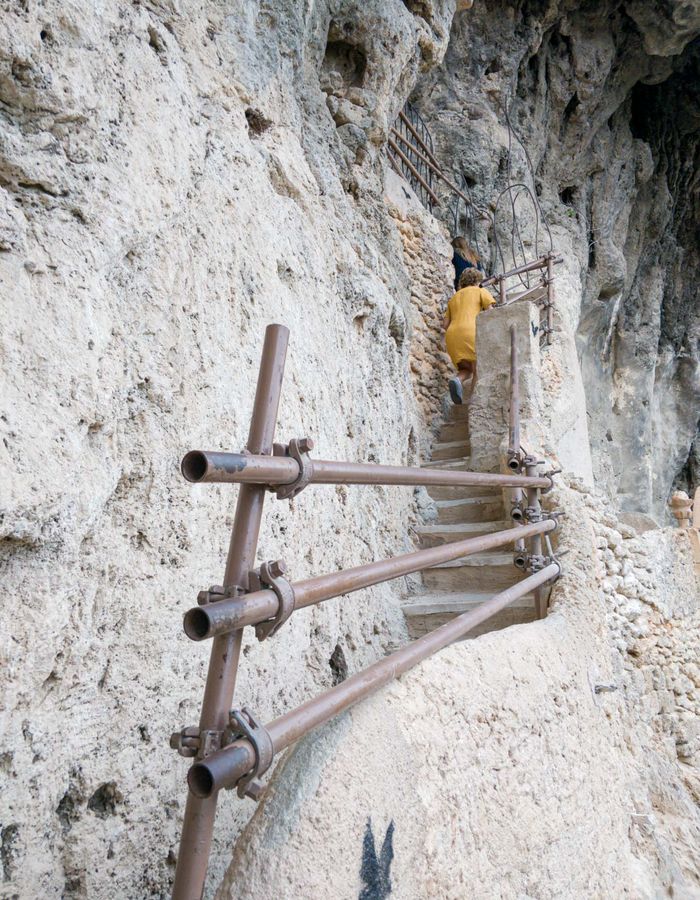
The village of Cotignac has grown up over time at the foot of this tufa rock, 400 metres wide and 80 metres high. Carved out over centuries, the rock has become the symbol of the village, and the troglodyte caves, or at least what remains of them, can be visited, offering a beautiful view of the village.
Troglodyte caves open : July - August: daily: 10.30am - 1pm / 2.30pm - 7pm. Last admission 15 minutes before closing time. Admission: 2 euros / free for children under 10. No prior booking required.
Heritage
The two towers
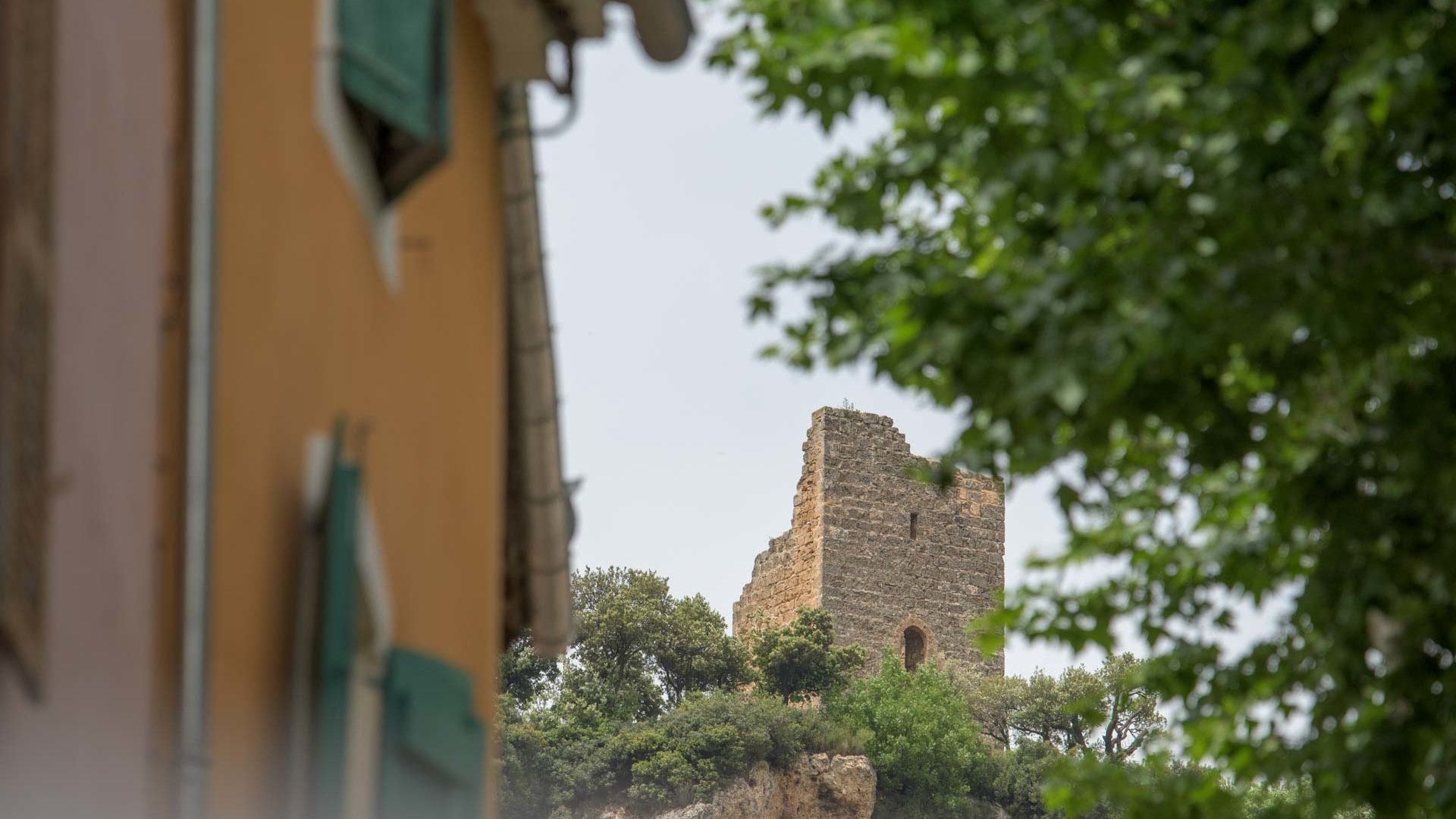
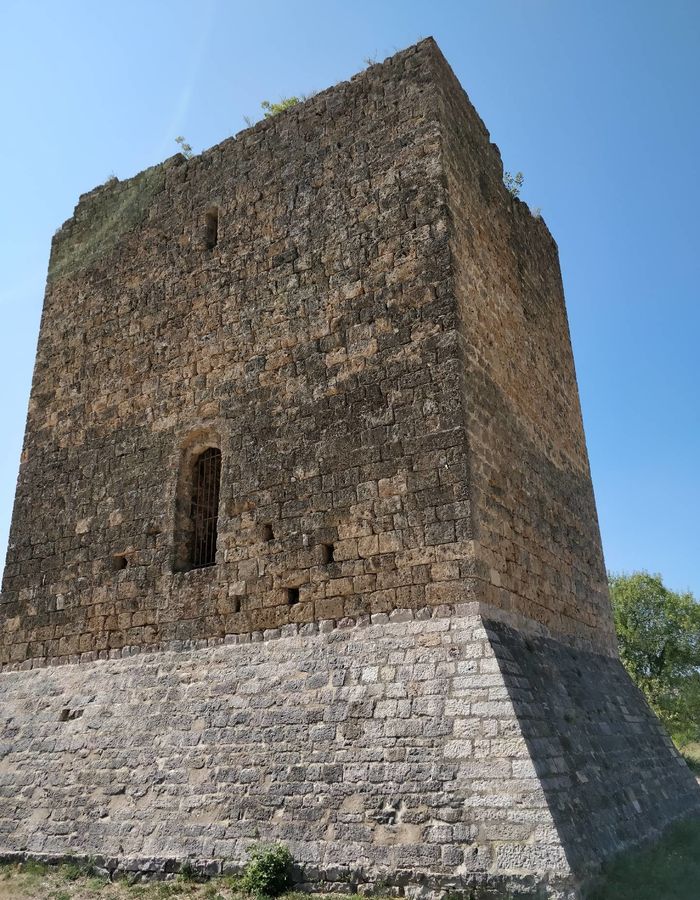
Two medieval towers dominate the village from the top of the rock. Although they were clearly part of the defensive system of the village and the castle, they remain poorly documented and we have lost track of their exact origin and function.
The fountains
There are 17 fountains here, and for a long time they were the only means of supplying the population with water. Often decorated, they still contribute to the well-being of the village and its visitors.
The mills
In the 19th century, Cotignac had as many as 14 oil mills, bearing witness to Provence's rich olive-growing past. The Piquet mill is both the oldest, as attested by the transfer of the mill to the community in 1521, and the last to be in operation.
Wine, local produce and crafts
Wine, olive oil and crafts are still at the heart of Cotignac's economic activity. You can find out more about all these activities at the tourist office or on their website.